


‘Shocking lack of progress’: Charity criticises UK government for latest active travel figures.
Posted on in Business News , Cycles News
The Institute for Public Policy Research (IPPR) has criticised the UK government for a “shocking lack of progress in making streets more attractive for walking, wheeling and cycling” following the recent findings of the Active Lives and National Travel surveys.
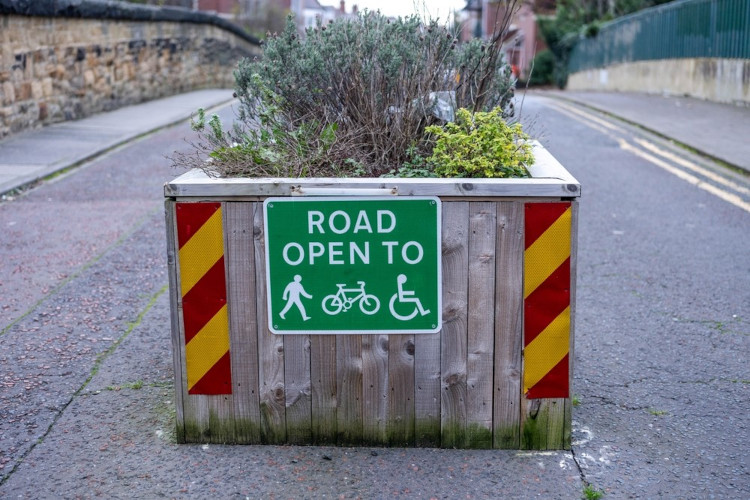
Sport England said the Active Lives survey showed a “positive” long-term increase in activity levels, but IPPR disagrees, pointing to several negative trends, including growing inequality. Among them is what the charity has described as “a growing divide in activity levels based on where someone lives”, with most of the positive upward trends confined to prosperous areas, whereas “the number of people considered active in the most deprived areas has dropped by 2.5 per cent in the last seven years”.
The number of people cycling has also plateaued according to the National Travel survey as, despite an increase over the last decade, figures have remained largely similar since 2019. IPPR has also raised concerns about a decrease in cycling participation since the end of the Covid 19 pandemic, citing the Cycling Traffic Index’s findings that there has been a 29% drop in cycling levels between March 2021 and December 2023.
“The National Travel Survey also shows that although the distance travelled by cycling has seen some signs of growth over the decade, the average distance travelled per person by cycling is the same as in 2019,” it said in a recent press release.
“This theme is picked up in the Cycling Traffic Index which highlights that the gains made during Covid-19 in getting people out on their bikes are continuing to fall with levels of cycling dropping by 29 per cent between March 2021 and December 2023. Cycling traffic levels have increased 15.5 per cent over the last decade but they are still far below where they need to be to achieve the government’s targets.”
To rectify what it believes are concerning trends, IPPR has also called on the UK government to invest more heavily to promote safer neighbourhoods and to stop its "political posturing".
The government has faced criticism recently following its self-styled "clampdown" on low traffic neighbourhoods (LTNs), which have been used since the 1970s to promote active forms of travel, such as walking and cycling. The clampdown has led to the government’s revised ‘Plan for Drivers’ which has raised the bar local authorities need to meet to implement new LTNs, although it hasn’t escaped criticism. In the highest-profile example, the Guardian reported allegations that the government had covered up a report that underlined the economic and health benefits of LTNs.
That study has since been officially released and showed a strong public appetite for LTNs, with 45% of the 1,800 people surveyed in support of them. However, the report also highlighted the lack of public knowledge about LTNs, which was one of the reasons cited by the UK government for the changes to the ‘Plan for Drivers’.
“There is a simple message here. Healthy places support healthier lifestyles and provide a host of other benefits to people – including providing a more affordable way of getting around,” IPPR concluded.
“The government need to act to reverse this rise in inequality, stop the political posturing overactive travel policies and put in place the investment to make it attractive and safe for people to be active in their neighbourhoods.”