
No clear need or demand for proposed government changes to e-bike regulations, argues Association of Cycle Traders
Posted on in Business News , Cycles News
Proposed government changes to regulations and legislation governing EAPCs (Electrically assisted pedal cycles), which could see a doubling in the power of e-bikes to 500W and allowing ebikes to be ridden without the need for the rider to pedal, will be to the detriment of cyclists as well as retailers and need to be vigorously opposed, the Association of Cycle Traders has said.
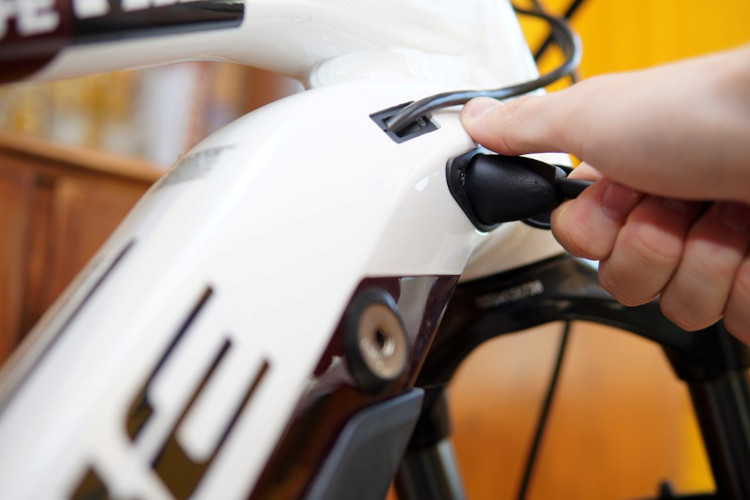
The ACT, whose comments echo similar statements from The Bicycle Association and Cycling UK, argues that the proposed changes would make it harder to clearly define e-bikes from other vehicle types, which should be a matter of concern for both users and retailers.
“We are not convinced there’s either a clear need or demand for any of these proposed changes,” says Jonathan Harrison of the ACT.
“We recently attended a meeting where this topic, along with others, were discussed with the Office Product Safety and Standards and, with other consultations on issues still awaiting government response, we question whether this where the primary focus should be at this time. We are not necessarily averse to a larger power output for e-cargo cycles and their carrying loads or for a throttle, which could help disabled people using adapted cycles, but much greater caution needs to be exercised when proposing such blanket and rather ill-conceived changes. We certainly recommend that ACT members go online and complete the consultation themselves to ensure that all voices are heard in this debate.”
Current EAPC regulations set out the requirements an EAPC must meet to fall outside the definition of motor vehicle and to be treated as a cycle. Currently, the requirements are that the cycle must be fitted with pedals that can propel it; have a maximum continuous rated power of the electric motor that must not exceed 250 watts, and that electrical assistance must cut off when the vehicle reaches 15.5mph (25km/h).
However, the government now proposes to amend the legal definition of how EAPCs are classified so that the maximum continuous rated power of the electric motor must not exceed 500 watts instead of 250 watts as set out in the current regulations. It also wants to allow ‘twist and go’ EAPCs to have throttle assistance up to 15.5mph (25km/h) without the need for type approval. The government says that e-cycles with increased power and throttle assistance in line with the proposed changes would be classified as EAPCs and would, therefore, be able to use the same infrastructure as pedal cycles, including cycle lanes, tracks and other cycle facilities.
This consultation will run until 11:59pm on 25 April 2024. To participate in the consultation, click here.