


Wheels for Wellbeing present new data on disability and cycling
Posted on in Business News ,Brands & Products News , Cycles News , Political News
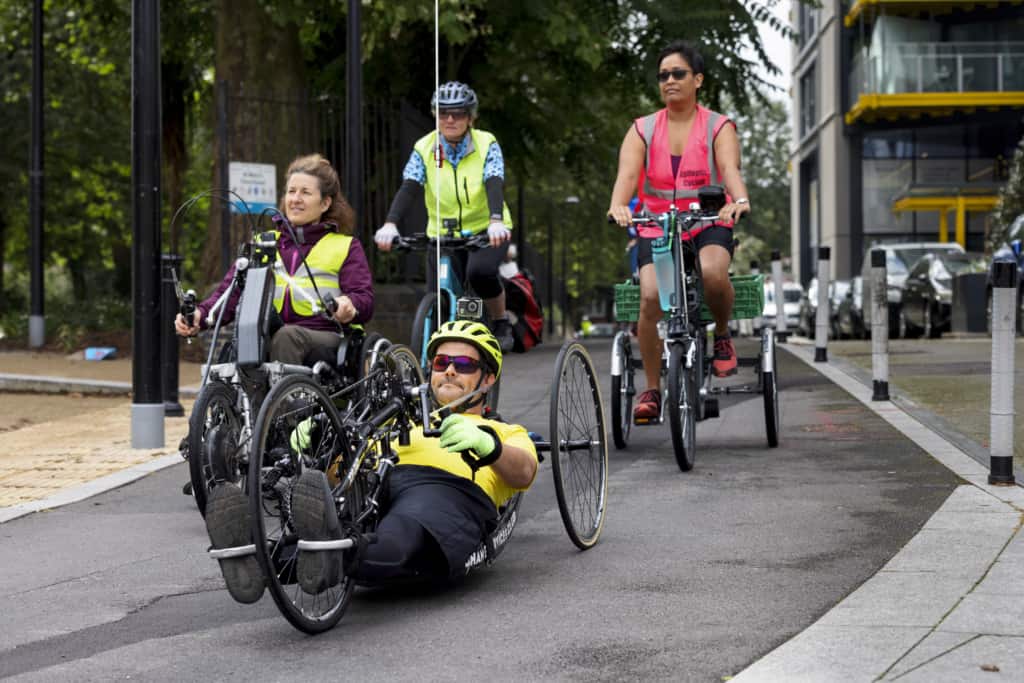
The results of Wheels for Wellbeing's 2021 national survey of Disabled cyclists are out! The data collected has been written up into a full report, which you can read here.
Firstly, as would be expected, the COVID-19 pandemic and lockdowns had a range of impacts on Disabled cyclists: 39% cycled more or began cycling for the first time because of the quiet roads, new accessible infrastructure or a lack of other transport or exercise options. Just under one third cycled less. Reasons for decreased cycling included the closure of inclusive cycling centres and pop-up infrastructure that blocked access to some routes. Hostility from road-users and members of the public also deterred some Disabled people from cycling.
As in previous years the majority (nearly 64%) of respondents reported that cycling was easier than walking and a similar number considered their cycle a mobility aid. However, many also reported being forced to stop cycling in public places and being challenged by staff, security guards, the public and police. Also similar to previous years, the most common barriers to cycling were inaccessible infrastructure, lack of cycle parking or storage and the cost of a cycle or adaptations. Other barriers included not being able to access cycle hire or an inclusive cycling session. Nearly one quarter reported being the target of abuse and hostility and a similar number cited concerns about benefit penalties if they cycled.
The most important enablers to Disabled people cycling were accessible cycle infrastructure, subsidies for non-standard cycles, recognizing cycles as mobility aids and reducing the speed and quantity of traffic in residential areas. Many also highlighted the need for an array of safe and supportive cycling environments ranging from specialist inclusive sessions to segregated and off-road provision, quieter streets and the re-education of drivers. Another crucial factor in enabling Disabled people to cycle is being able to bring cycles on a range of public transport services in order to make more multi-modal trips.
Wheels for Wellbeing are extremely grateful to the 245 Disabled cyclists (and those responding on their behalf) who completed the survey. The findings will support our campaigns for equal access to cycling for everyone alongside our work with policy-makers such as the Department for Transport and local authorities.
The key recommendations from the survey results are:
- Universal rollout of fully accessible cycle infrastructure, including parking and storage.
- Rapid implementation of policies that will make cycles affordable for Disabled people.
- An increased range of safe and supportive cycling environments, including specialist sessions, accessible, segregated and off-road cycle ways, quiet streets and driver re-education (building on the recent changes to the Highway Code).
- Formal recognition of cycles as mobility aids, to permit cycle-use by Disabled people throughout public infrastructure, including public transport, and eliminating the risk of benefit penalties for Disabled cyclists.
- Action to tackle prejudice, hostility and hate crime towards Disabled people.