

DfT issues guidance to enhance e-bike and e-scooter safety
Posted on in Business News , Cycles News
The Department for Transport (DfT) has published new information on how to safely purchase, charge and use e-bikes and e-scooters in an effort to improve consumer safety.
Following extensive consultation with industry, guidance on battery safety for both e-scooters and e-bikes will raise awareness for owners on how to safely purchase an e-bike or e-scooter, ensure it meets manufacturing requirements and is only bought from reputable sellers.
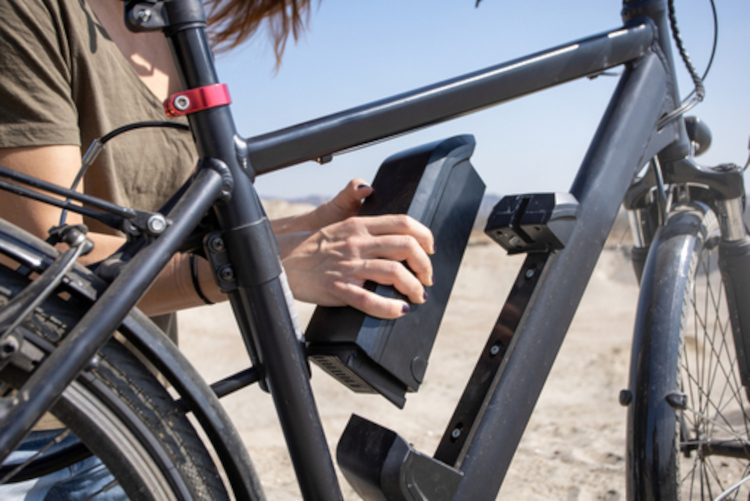
The documents also cover safe storage and charging, the warning signs for fire risk and how to address them, and how to dispose of batteries responsibly.
The guidance reminds people that e-scooters cannot be used legally on roads unless they are part of an official rental trial.
Separate guidance has been issued to help public transport operators assess and manage fire risks associated with the carriage of e-bikes and e-scooters on trains and buses.
Similar information has been produced for those managing premises such as schools and workplaces.
Anthony Browne, Technology and Decarbonisation Minister, said: “Safety has always been our top priority, which is why our latest guidance aims to improve the awareness of e-bike and e-scooter users in the trial areas where they’re authorised.”
The advice includes buying products from reputable brands and retailers, paying attention to any damaged or compromised batteries, and ensuring any bike being converted to an e-bike is fit for purpose.
The full guidance can be read here.
This announcement follows the Home Office’s advice on fire safety for e-scooters and e-bikes which was published last year.
To further understand the safety of the lithium-ion batteries used in e-bikes and e-scooters, the Office for Product Safety and Standard (OPSS) is currently conducting a Safety Study and taking enforcement action where unsafe products are found.
The extension of e-scooter trials until May 2026 will also enable the Government to build on current learning across areas including usage, safety, and environmental impacts, and to explore changing travel patterns since the coronavirus pandemic.