

Brooklyn e-bike shop owner charged for lithium-ion battery violations
Posted on in Business News , Cycles News
For the first time in its campaign to help the city address escalating lithium-ion battery fires, the Fire Department of New York filed criminal charges against a Brooklyn e-bike shop owner for illegal storage and charging.
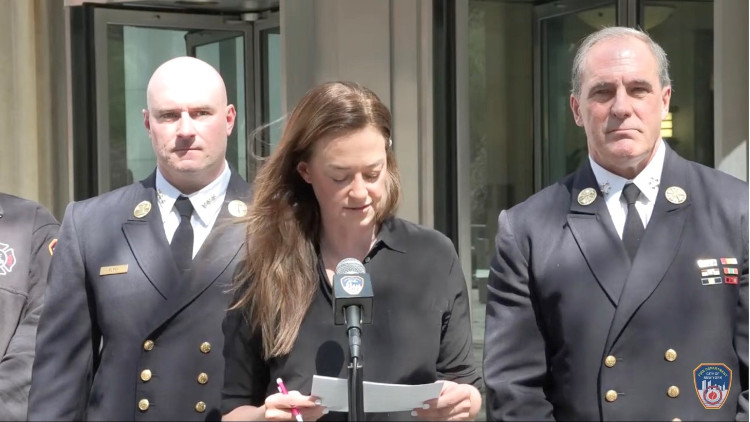
Tian Liang Liu was arrested and charged with reckless endangerment, according to the FDNY. He owns Electric Bicycle Shop at 1239 Flatbush Avenue. An FDNY spokesperson told BRAIN in an email that the shop has been inspected several times with Liu continuing "to defy the fire code."
The FDNY held a news conference providing more details. In addition to selling e-bikes without UL certification, Electric Bicycle Shop, which operates below residential apartments, was storing loose battery cells, propane cylinders, along with violating other fire codes. Inspectors found 15 lithium-ion batteries and multiple e-bikes without proper certification. It was the fourth time since September inspectors visited the shop.
Until recently, only financial penalties were issued to retailers not following the fire code. Shops can be fined up to $1,000 per SKU for selling e-bikes or batteries that are not certified.
The action against the Brooklyn retailer comes after the City Council in February passed a bill that would authorize the FDNY, along with the Department of Consumer and Worker Protection, to, among other things, increase penalties for illegal device sales, leases, or rentals including closing the shop for repeated violators. It has yet to be signed into law.
You can watch the FDNY Press Conference on this issue here.